Bar Rot: How Bartenders Can Treat and Prevent Cuticle Fungal Infections


FREE Shipping Over $491

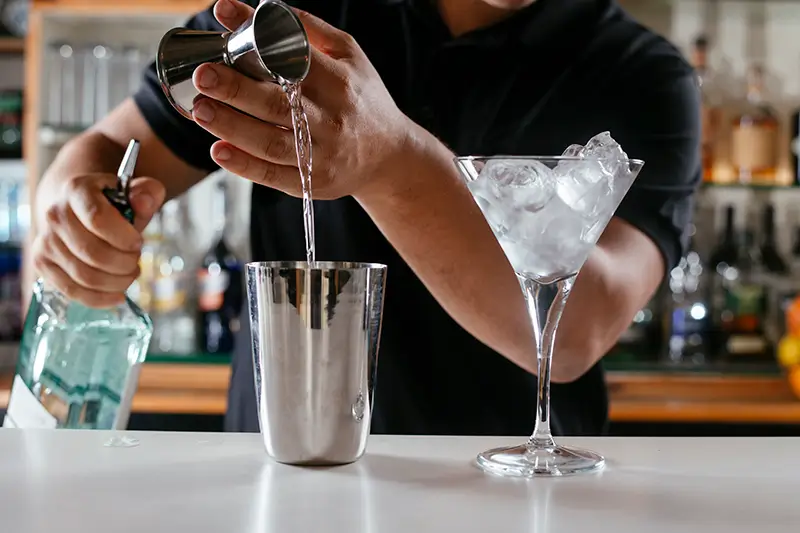
Bartenders rely heavily on their hands every shift — mixing drinks, washing glassware, handling garnishes, and wiping down surfaces. This constant exposure to moisture, temperature changes, and harsh cleaning agents can lead to a painful and frustrating condition commonly known as Bar Rot.
Bar Rot, clinically referred to as paronychia, is a fungal or bacterial infection that affects the skin around the nails and cuticles. If left untreated, it can worsen over time, leading to swelling and persistent discomfort. The good news is that with early care and proper hygiene, Bar Rot is often manageable and preventable.
Bar Rot develops when the protective skin barrier around the nail is compromised, allowing fungi or bacteria to enter. Bartenders are especially vulnerable due to:
Over time, these factors weaken the cuticle area, increasing the risk of fungal infections around the nail.
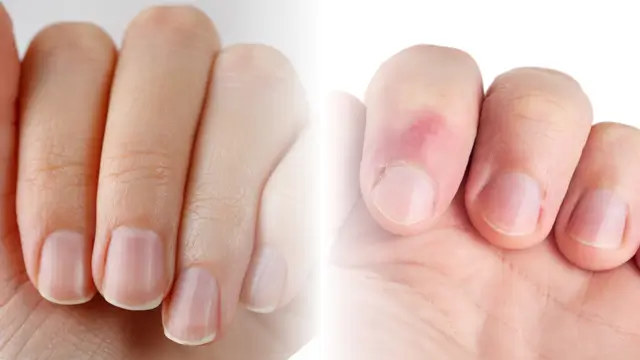
Bar Rot symptoms often begin mildly but can worsen if ignored. Common signs include:
Bar Rot can affect individual fingers, nails, or larger areas of the hand, depending on severity and duration.
With the right care, many bartenders can manage Bar Rot effectively and reduce the risk of recurrence.
Hand hygiene is essential — but technique matters.
Fungal organisms thrive in damp environments, making dryness a key preventive step.
Because Bar Rot is often fungal (and sometimes bacterial), targeted care is important.
Antifungal products help address the microorganisms responsible for cuticle and nail infections, supporting skin recovery and helping prevent the condition from spreading or worsening. Early attention may help reduce discomfort and recovery time.
Dry, damaged skin creates openings for infection.
Fungal organisms thrive in damp environments, making dryness a key preventive step.
Bar Rot itself is not typically contagious through casual contact. However, the fungi or bacteria associated with the condition can spread in shared, damp environments.
To reduce risk:
Bar Rot often begins around the cuticle and nail folds but can affect the nail itself if it persists.
Addressing cuticle fungal infections early can help prevent nail involvement and long-term damage.
This page is intended for educational purposes only. This content does not replace professional diagnosis or treatment.
Bar Rot is a common challenge for bartenders, but it doesn’t have to interfere with your career or comfort. By understanding the causes, recognizing symptoms early, and maintaining proper hand care, you can protect your hands and continue doing what you love.
Protect your hands. Protect your career. Start addressing Bar Rot with targeted antifungal care.